Why Healing Is a Family Affair?
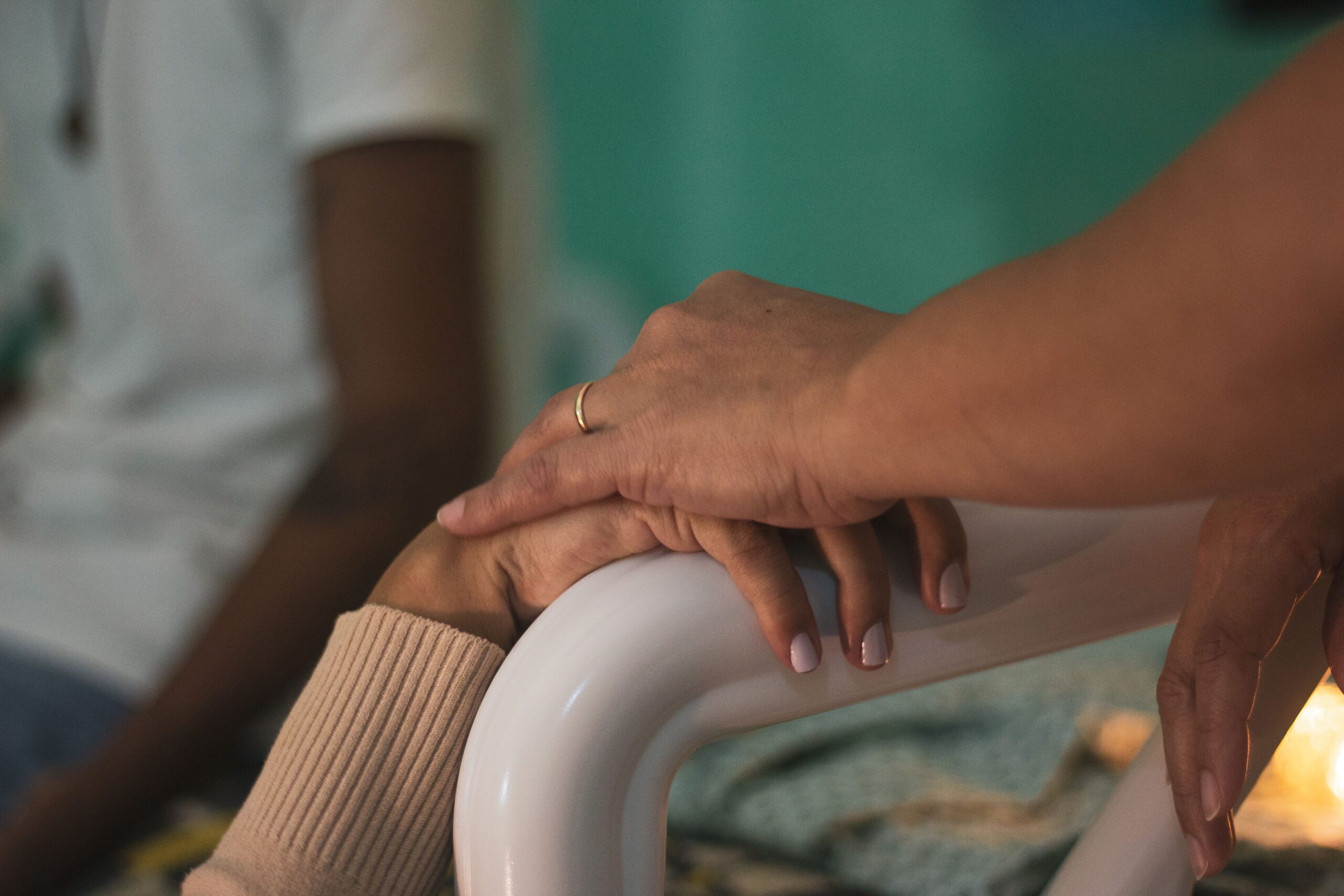
By Lylah Nassar, Licensed Marriage and Family Therapist
When someone in a family is struggling, our instinct is often to figure out what’s wrong with them. A child starts acting out. A teenager becomes withdrawn. A partner seems increasingly anxious or emotionally unavailable.
We want to help. We look for explanations, solutions, and sometimes a therapist a treatment that can “fix” the problem.
But what if the problem isn’t quite as individual as it appears?What if understanding one person’s struggles requires us to look at the relationships and patterns surrounding them.
This is the central idea behind a family systems therapy approach to substance abuse: we don’t exist in isolation. Our relationships shape how we think, feel, behave, and cope.
The Family Is a System
Think of a family as a mobile hanging from the ceiling. When one piece moves, the others shift in response. Families work similarly. While each member of the family is an individual, they are interconnected, and make up a larger system.
Over time, we develop patterns of interacting, managing emotions, and responding to conflict. Maybe one family member becomes the disciplinarian while the other plays peacemaker.
Maybe one sibling becomes the responsible one while another is labeled difficult. These roles aren’t necessarily intentional or unhealthy. Often, they’re simply how families have learned to maintain stability.
Sometimes patterns that once helped a family function eventually become the very things keeping them stuck.
When One Person Becomes “The Problem”
In family therapy, we sometimes use the term identified patient to describe the person whose symptoms or behavior have become the focus of concern. Imagine a family seeking therapy because their teenager has become increasingly angry and defiant.
It might seem straightforward: the teenager needs help managing their behavior. And perhaps they do.
But as we explore the family’s interactions, we might discover that their anger emerges when they feel criticized or misunderstood. Their parents, worried about the behavior, respond with lectures or consequences.
The teenager feels increasingly misunderstood, becomes defensive, and the cycle continues. Suddenly, we have a different picture.
Rather than viewing the teenager as the problem, we begin to understand the pattern everyone is caught in. This doesn’t mean the parents are to blame or the teenager isn’t responsible for their behavior.
It means everyone has a role in the dynamic, and everyone can participate in changing it.
Behavior Is Communication
One of the most meaningful shifts we can make is moving from asking, “How do we stop this behavior?” to “What might this behavior be telling us?”
Anger might protect someone from feeling hurt. Withdrawal might be an attempt to avoid rejection. Controlling behavior might reflect anxiety or fear. Understanding behavior doesn’t mean excusing it. Boundaries and accountability still matter.
But curiosity about what’s happening underneath the behavior creates opportunities for connection that criticism alone rarely provides. And connection is often what makes meaningful change possible.
Why Individual Therapy Isn’t Always Enough
Individual therapy can be incredibly valuable. It helps people understand themselves, process emotions, and develop healthier ways of coping.
But sometimes, someone makes significant progress individually only to return to an environment where the same relational patterns continue.
A child learns emotional regulation skills, but family arguments still escalate. A partner learns to communicate their needs, but those needs continue to be met with defensiveness.
Someone establishes healthier boundaries, but their family struggles to adjust.Individual growth and relational change are connected, but they don’t always happen at the same pace.
When family members participate in therapy, they can better understand how their responses influence the dynamic and how they might begin responding differently.
Healing Doesn’t Require a Perfect Family
Family therapy isn’t about assigning blame or deciding who’s right. It’s about understanding what’s happening between people.
Sometimes that means helping parents recognize the emotions beneath their child’s behavior. Sometimes it means helping partners understand how their attempts to protect themselves inadvertently hurt each other.
And sometimes, it’s simply learning how to have a difficult conversation without everyone leaving feeling worse.
The goal isn’t to eliminate conflict. It’s to create relationships where people feel safer expressing themselves, where misunderstandings can be repaired, and where family members respond with greater awareness and intention.
Changing the Pattern
Here’s the encouraging part: change doesn’t require everyone to transform overnight.
Sometimes, one parent responding with curiosity instead of criticism interrupts an old cycle. Sometimes, one partner choosing vulnerability over defensiveness creates space for a different conversation.
And sometimes, simply recognizing a pattern is enough to begin changing how we participate in it.
When we stop asking who the problem is and start asking what’s happening between us, we open the door to a different kind of healing.
Because while one person may be the reason a family initially seeks help, the opportunity for growth often extends far beyond that individual.